
400-618-1171
公卫数据采集系统 :如何通过智能化手段打通基层公共卫生服务最后一公里
Public Health Data Collection System: How to Connect the Last Mile of Grassroots Public Health Services through Intelligent Means
在基层公共卫生服务中,数据采集、管理和共享一直是困扰医务人员的难题。传统的手工记录方式不仅效率低下,还容易出现数据错误和丢失的情况,严重影响了公共卫生服务的质量和效率。随着信息技术的发展,公卫数据采集系统的出现为解决这些问题提供了有效的途径。本文将详细解析公卫数据采集系统的功能、优势及其在基层公共卫生服务中的重要作用。
In grassroots public health services, data collection, management, and sharing have always been difficult problems for medical personnel. The traditional manual recording method is not only inefficient, but also prone to data errors and loss, seriously affecting the quality and efficiency of public health services. With the development of information technology, the emergence of public health data collection systems has provided an effective way to solve these problems. This article will provide a detailed analysis of the functions, advantages, and important role of the public health data collection system in grassroots public health services.
一、公卫数据采集系统的基本概念与设计理念
1、 Basic Concepts and Design Concepts of Public Health Data Collection System
公卫数据采集系统是一种基于信息技术的公共卫生服务管理平台,主要用于基层医疗机构对居民的健康档案、体检数据、随访记录等公共卫生数据进行采集、管理、分析和共享。该系统按照《国家基本公共卫生服务规范(第三版)》为设计标准,深度剖析了基层公共卫生服务工作的痛点和医疗机构发展的制约因素,以满足公卫人员便捷使用为核心、以满足公共卫生考核为要求、以提升居民服务获得感为宗旨,以信息化手段积极助力基层医疗机构的居民健康服务职能和提升内在服务能力。
The public health data collection system is a public health service management platform based on information technology, mainly used by grassroots medical institutions to collect, manage, analyze, and share public health data such as residents' health records, physical examination data, and follow-up records. The system is designed according to the "National Basic Public Health Service Standards (Third Edition)" and deeply analyzes the pain points of grassroots public health service work and the constraints on the development of medical institutions. With the core of meeting the convenient use of public health personnel, meeting the requirements of public health assessment, and improving residents' sense of service, it actively assists grassroots medical institutions in their resident health service functions and enhances their internal service capabilities through information technology.
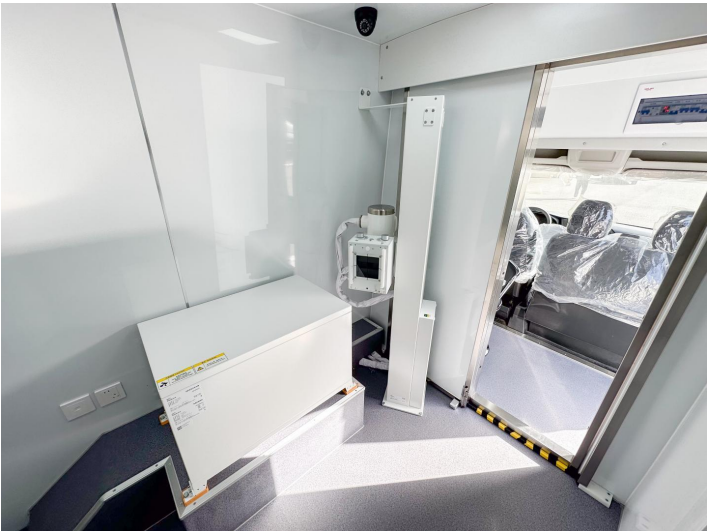
公卫数据采集系统按照县、乡、村三级应用设计,以便捷式应用、智能化应用、多场景应用为导向,为基层医疗机构公共卫生信息化最后一公里提供一站式解决方案。该系统支持院内专业体检、下乡便携式体检、移动体检车体检及区域化融合体检等多种模式,能够满足不同场景下的公共卫生服务需求。
The public health data collection system is designed for application at the county, township, and village levels, with a focus on convenient, intelligent, and multi scenario applications, providing a one-stop solution for the last mile of public health informationization in grassroots medical institutions. The system supports various modes such as professional medical examinations within the hospital, portable medical examinations in rural areas, mobile medical examination vehicles, and regional integrated medical examinations, which can meet the public health service needs in different scenarios.
二、公卫数据采集系统的核心功能
2、 The core functions of the public health data collection system
公卫数据采集系统的核心功能主要包括以下几个方面:
The core functions of the public health data collection system mainly include the following aspects:
数据智能采集功能:该系统深度集成了公共卫生体检基础设备,如身高体重秤、血压计、血糖仪、心电图机等,并能无缝链接医疗机构现有的心电设备、超声检查设备、化验室设备。通过这些设备,系统可以自动采集居民的健康体检数据,如身高、体重、血压、血糖、血脂、心电图等,避免了手工记录数据时可能出现的错误和遗漏,提高了数据的准确性和完整性。
Intelligent data collection function: The system deeply integrates basic public health examination equipment, such as height and weight scales, blood pressure monitors, blood glucose meters, electrocardiographs, etc., and can seamlessly link existing electrocardiogram equipment, ultrasound examination equipment, and laboratory equipment in medical institutions. Through these devices, the system can automatically collect residents' health examination data, such as height, weight, blood pressure, blood glucose, blood lipids, electrocardiogram, etc., avoiding errors and omissions that may occur when manually recording data, and improving the accuracy and completeness of the data.
居民健康档案管理功能:系统可以为居民建立电子健康档案,并对档案进行动态管理。居民的基本信息、健康体检数据、随访记录、疾病诊断结果、用药情况等信息都可以存储在电子健康档案中,方便医务人员随时查阅和使用。同时,系统还支持居民通过手机 APP 或电脑等终端设备查询自己的健康档案,增强了居民的健康意识和自我管理能力。
Resident health record management function: The system can establish electronic health records for residents and dynamically manage the records. Basic information of residents, health examination data, follow-up records, disease diagnosis results, medication use, and other information can be stored in electronic health records, making it convenient for medical personnel to access and use them at any time. At the same time, the system also supports residents to query their health records through mobile apps or terminal devices such as computers, enhancing their health awareness and self-management abilities.
体检报告自助打印功能:居民完成健康体检后,系统可以自动生成体检报告,并支持居民通过自助打印机打印体检报告。这不仅提高了体检报告的发放效率,还减少了医务人员的工作量。
Self printing function for medical examination reports: After residents complete their health examinations, the system can automatically generate medical examination reports and support residents to print them through self-service printers. This not only improves the efficiency of distributing physical examination reports, but also reduces the workload of medical personnel.
体检数据自动上传功能:系统可以将采集到的居民健康体检数据自动上传至当地基本公共卫生服务平台,实现了数据的实时共享和交换。这使得上级卫生行政部门可以及时了解基层医疗机构的公共卫生服务工作情况,为制定相关政策提供数据支持。
Automatic upload function of medical examination data: The system can automatically upload the collected resident health examination data to the local basic public health service platform, achieving real-time sharing and exchange of data. This enables higher-level health administrative departments to timely understand the public health service work of grassroots medical institutions and provide data support for formulating relevant policies.
区域化整合应用功能:该系统支持区域化整合应用,可实现县镇卫生院与村卫生室协同使用。通过该系统,公卫人员及村医可以融合化完成辖区老年人体检及慢病随访工作,提高了工作效率和质量。同时,系统还可以实现区域慢性病人群的引流,通过不断提升基层医疗机构服务水平,结合医联体、医共体、互联网医疗的相关应用,助力医疗机构实现医疗收入的提升。
Regional integration application function: This system supports regional integration applications and can achieve collaborative use between county and town health centers and village clinics. Through this system, public health personnel and village doctors can integrate to complete physical examinations and chronic disease follow-up for elderly people in their jurisdiction, improving work efficiency and quality. At the same time, the system can also realize the drainage of regional chronic patient groups, and help medical institutions achieve the improvement of medical income by continuously improving the service level of grass-roots medical institutions and combining with the relevant applications of medical consortium, medical community and Internet medicine.
三、公卫数据采集系统在基层公共卫生服务中的重要作用
3、 The important role of public health data collection system in grassroots public health services
公卫数据采集系统在基层公共卫生服务中具有重要的作用,主要体现在以下几个方面:
The public health data collection system plays an important role in grassroots public health services, mainly reflected in the following aspects:
提高公共卫生服务效率:通过数据智能采集和自动上传功能,系统可以大大提高公共卫生服务数据的采集和管理效率,减少了医务人员的工作量。同时,系统的区域化整合应用功能可以实现县镇卫生院与村卫生室的协同工作,提高了工作效率和质量。
Improving the efficiency of public health services: Through intelligent data collection and automatic upload functions, the system can greatly improve the collection and management efficiency of public health service data, reducing the workload of medical staff. At the same time, the regional integration application function of the system can achieve collaborative work between county and town health centers and village clinics, improving work efficiency and quality.
提升公共卫生服务质量:系统可以为居民建立电子健康档案,并对档案进行动态管理。医务人员可以通过系统随时查阅居民的健康档案,了解居民的健康状况和疾病史,为居民提供更加个性化的健康服务。同时,系统的健康评估和干预功能可以帮助医务人员更好地开展公共卫生服务工作,提高服务质量和效果。
Improving the quality of public health services: The system can establish electronic health records for residents and dynamically manage the records. Medical personnel can access residents' health records at any time through the system, understand their health status and disease history, and provide more personalized health services for residents. At the same time, the health assessment and intervention functions of the system can help medical personnel better carry out public health service work, improve service quality and effectiveness.
促进公共卫生服务均等化:通过区域化整合应用功能,系统可以实现县镇卫生院与村卫生室的协同工作,提高了基层医疗机构的服务能力和水平。这有助于促进公共卫生服务均等化,让更多的居民享受到优质的公共卫生服务。
Promoting equalization of public health services: Through regional integration of application functions, the system can achieve collaborative work between county and town health centers and village clinics, improving the service capacity and level of grassroots medical institutions. This helps to promote equalization of public health services and enable more residents to enjoy high-quality public health services.
助力医疗机构实现医疗收入的提升:系统可以实现区域慢性病人群的引流,通过不断提升基层医疗机构服务水平,结合医联体、医共体、互联网医疗的相关应用,助力医疗机构实现医疗收入的提升。同时,系统的健康管理功能可以帮助居民改善健康状况,减少疾病的发生,降低医疗费用的支出。
Help medical institutions to improve their medical income: The system can realize the drainage of regional chronic patients, and help medical institutions to increase their medical income by constantly improving the service level of grass-roots medical institutions, combining with the relevant applications of medical consortium, medical community and Internet medicine. At the same time, the health management function of the system can help residents improve their health status, reduce the occurrence of diseases, and lower medical expenses.
四、总结
IV. Summary
公卫数据采集系统作为一种基于信息技术的公共卫生服务管理平台,在基层公共卫生服务中具有重要的作用。它可以提高公共卫生服务效率,提升公共卫生服务质量,促进公共卫生服务均等化,助力医疗机构实现医疗收入的提升。随着信息技术的不断发展,公卫数据采集系统的功能和应用场景将会不断拓展和完善,为基层公共卫生服务的发展提供有力的支持。
The public health data collection system, as an information technology-based public health service management platform, plays an important role in grassroots public health services. It can improve the efficiency of public health services, enhance the quality of public health services, promote equalization of public health services, and help medical institutions achieve an increase in medical income. With the continuous development of information technology, the functions and application scenarios of public health data collection systems will continue to expand and improve, providing strong support for the development of grassroots public health services.


