
400-618-1171
赋能公卫减负!公卫数据采集系统重磅来袭,守护65+老人健康,一键搞定体检全流程
Empower public health to reduce burden! The public health data collection system is launching a major attack, safeguarding the health of 65+elderly people and completing the entire physical examination process with just one click
国家基本公共卫生服务项目明确要求,为65岁及以上老年人提供每年一次的免费健康体检,这是守护老年群体健康、推进健康老龄化的重要举措[superscript:2]。据数据显示,2023年我国在基层医疗卫生机构接受健康管理的65岁及以上老年人达1.35亿[superscript:3],但基层公卫工作中,传统体检数据采集模式痛点突出——手工登记繁琐、数据传输滞后、报告生成缓慢、统计分析低效,不仅加重基层公卫人员工作负担,还影响老年人免费体检服务的效率与质量。针对这一困境,一款专为国家公卫项目打造的智慧公卫体检管理系统(公卫数据采集系统)应运而生,以智能化、便捷化、高效化优势,覆盖老年人免费体检全流程,为基层公卫人员减负,助力老年健康精准管理,用智慧医疗赋能公卫事业高质量发展。
The National Basic Public Health Service Project explicitly requires providing free annual health check ups for elderly people aged 65 and above, which is an important measure to safeguard the health of the elderly population and promote healthy aging. According to data, by 2023, the number of elderly people aged 65 and above receiving health management in primary healthcare institutions in China will reach 135 million [superscript: 3]. However, in primary healthcare work, the pain points of traditional physical examination data collection models are prominent - manual registration is cumbersome, data transmission is lagging, report generation is slow, and statistical analysis is inefficient. This not only increases the workload of primary healthcare personnel, but also affects the efficiency and quality of free physical examination services for the elderly. In response to this dilemma, a smart public health examination management system (public health data collection system) specially designed for national public health projects has emerged. With the advantages of intelligence, convenience, and efficiency, it covers the entire process of free physical examinations for the elderly, reduces the burden on grassroots public health personnel, assists in precise management of elderly health, and empowers the high-quality development of public health with smart healthcare.
这款公卫数据采集系统,核心定位是服务国家公卫项目,聚焦65岁及以上老年人免费体检场景,集成无线传输、自动报告生成、一键上传、AI数据统计分析等核心功能,彻底打破传统数据采集的局限,实现“体检有规范、数据有支撑、管理有抓手”。系统最突出的优势的是全流程智能化,无需人工繁琐操作,既能大幅提升基层公卫体检效率,又能保障数据精准性,据实测,配备该系统后,基层公卫人员的工作效率可提升40%以上,数据录入误差率降至0.3%以下,真正实现为基层公卫人员“松绑减负”[superscript:1]。
This public health data collection system is positioned to serve national public health projects, focusing on free physical examinations for elderly people aged 65 and above. It integrates core functions such as wireless transmission, automatic report generation, one click upload, and AI data statistical analysis, completely breaking the limitations of traditional data collection and achieving "standardized physical examinations, supported data, and effective management". The most prominent advantage of the system is its full process intelligence, which eliminates the need for manual and tedious operations. It can greatly improve the efficiency of grassroots public health examinations and ensure data accuracy. According to actual tests, equipped with this system, the work efficiency of grassroots public health personnel can be improved by more than 40%, and the data input error rate can be reduced to less than 0.3%, truly realizing the "loosening and reducing burden" of grassroots public health personnel.
为确保65岁及以上老年人免费体检工作规范、高效推进,该公卫数据采集系统设置了7步标准化采集流程,每一步都贴合基层体检场景,兼顾便捷性与专业性,让基层公卫人员操作更省心,让老年人体检更顺畅。第一步是登记及身份证读取,系统将居民拍照、签名与平板一体化设计,设备体积小巧、灵活性强,搭配无线蓝牙连接的条码打印设备,可快速完成居民身份核验、信息登记,无需手工填写,避免信息遗漏或填写错误,为体检工作打下坚实基础。
To ensure the standardized and efficient promotion of free physical examinations for elderly people aged 65 and above, the public health data collection system has set up a 7-step standardized collection process, each step tailored to the grassroots physical examination scenario, balancing convenience and professionalism, making it easier for grassroots public health personnel to operate and smoother for elderly people's physical examinations. The first step is registration and ID card reading. The system integrates resident photography, signature, and tablet design, with a compact size and strong flexibility. Paired with a wireless Bluetooth connected barcode printing device, it can quickly complete resident identity verification and information registration without manual filling, avoiding information omissions or errors, and laying a solid foundation for physical examination work.
第二步是身高体重检测,设备采用可折叠设计,底部配备滑轮,便于基层公卫人员携带移动,适配乡村、社区等多种体检场景;检测过程全程语音指导,操作高效快捷,老年人只需配合站立,系统通过扫描前期打印的条码,即可自动传输身高、体重、BMI等检测数据,无需人工记录,大幅节省操作时间。第三步是血压检测,系统支持无限制数量血压连接,扫描条码即可快速关联居民信息,单双侧可同时测量,既能满足批量体检需求,又能精准捕捉老年人血压波动,为高血压筛查提供可靠数据支撑。
The second step is height and weight detection. The equipment adopts a foldable design and is equipped with pulleys at the bottom, making it easy for grassroots public health personnel to carry and move, and suitable for various medical examination scenarios such as rural areas and communities; The entire detection process is guided by voice, and the operation is efficient and fast. Elderly people only need to cooperate with standing. The system can automatically transmit detection data such as height, weight, BMI, etc. by scanning the barcode printed in the early stage, without the need for manual recording, greatly saving operation time. The third step is blood pressure monitoring. The system supports unlimited blood pressure connections, and scanning barcodes can quickly associate resident information. Both sides can be measured simultaneously, which can meet the needs of batch physical examinations and accurately capture blood pressure fluctuations in the elderly, providing reliable data support for hypertension screening.
第四步是问诊环节,系统将中医体质辨识、自理能力评估等多个公卫必备问诊项目整合于平板终端,基层公卫人员可随时随地询问老年人基本健康情况,问诊结果自动存储至云端,次年开展体检时,系统可自动对比往年数据,清晰呈现老年人健康变化,为健康指导提供科学依据[superscript:1]。第五步是尿检,系统搭载Bobo U300尿检设备,检测效率极高,时速可达514人份,设备加装舵机WiFi模块,侧边支持扫码关联,还附带可充电电池,移动便捷,采样后放入检测区、扫描条码即可自动开始检测,快捷高效,适配基层批量体检场景。
The fourth step is the consultation process, where the system integrates multiple essential public health consultation items such as traditional Chinese medicine constitution identification and self-care ability assessment into a tablet terminal. Grassroots public health personnel can inquire about the basic health status of the elderly anytime and anywhere, and the consultation results are automatically stored in the cloud. When the next year's physical examination is conducted, the system can automatically compare the data from previous years, clearly present the health changes of the elderly, and provide scientific basis for health guidance [superscript: 1]. The fifth step is urine testing. The system is equipped with Bobo U300 urine testing equipment, which has extremely high detection efficiency and can reach a speed of 514 people per hour. The equipment is equipped with a servo WiFi module and supports scanning code association on the side. It also comes with a rechargeable battery, which is easy to move. After sampling, it can be placed in the testing area and the barcode can be scanned to automatically start testing. It is fast and efficient, suitable for grassroots batch physical examination scenarios.
第六步是心电图检测,采用便携充电式心电图机,性能稳定、测量结果精准,全触控操作设计,无需专业技术培训,基层公卫人员即可快速上手,扫描条码即可获取居民信息,检测结果自动存储至云端,便于后续查阅、对比与随访。第七步是B超检测,系统搭载自研B超工作站,界面设计简洁易懂,操作快捷高效,同样支持扫描条码获取居民信息,检测数据实时同步至系统,实现B超数据的规范化采集与管理,契合国家公卫项目考核要求[superscript:2]。
The sixth step is electrocardiogram detection, which adopts a portable rechargeable electrocardiogram machine with stable performance and accurate measurement results. It is designed with full touch operation and does not require professional technical training. Grassroots public health personnel can quickly get started, scan the barcode to obtain resident information, and the detection results are automatically stored in the cloud for subsequent reference, comparison, and follow-up. The seventh step is B-ultrasound detection. The system is equipped with a self-developed B-ultrasound workstation, with a simple and easy to understand interface design, fast and efficient operation, and also supports scanning barcodes to obtain resident information. The detection data is synchronized to the system in real time, achieving standardized collection and management of B-ultrasound data, which meets the requirements of national public health project assessment [superscript: 2].
除了标准化的7步采集流程,该公卫数据采集系统还具备多项核心优势,全方位赋能基层公卫工作。系统支持无线传输检测结果,打破空间限制,无需依赖有线网络,适配乡村等网络薄弱场景;检测完成后,可自动生成标准化体检报告,无需人工排版编辑,老年人可现场领取,直观了解自身健康状况;报告生成后,支持一键上传至公卫管理平台,实现数据无缝衔接,避免人工二次录入,彻底解决传统数据上传繁琐、滞后的痛点[superscript:1]。
In addition to the standardized 7-step collection process, this public health data collection system also has multiple core advantages, fully empowering grassroots public health work. The system supports wireless transmission of detection results, breaks spatial limitations, does not rely on wired networks, and is suitable for weak network scenarios such as rural areas; After the test is completed, a standardized physical examination report can be automatically generated without the need for manual typesetting and editing. Elderly people can collect it on site and intuitively understand their own health status; After the report is generated, it supports one click upload to the public health management platform, achieving seamless data connection and avoiding manual secondary input, completely solving the pain points of traditional data upload being cumbersome and lagging [superscript: 1].
更具亮点的是,系统搭载AI智能分析功能,可自动完成全民体检数据统计,精准分析居民健康动态,尤其是针对65岁及以上老年人的慢病风险、健康变化趋势,生成专业化分析报告,为基层公卫人员开展健康随访、慢病管理提供数据支撑,助力实现“早发现、早干预、早治疗”,切实守护老年人身体健康[superscript:3]。同时,系统全程贴合国家公卫项目要求,数据采集、存储、上报全流程规范,可直接对接公卫考核标准,助力基层医疗机构顺利通过上级考核。
What is even more outstanding is that the system is equipped with AI intelligent analysis function, which can automatically complete the statistics of national physical examination data, accurately analyze the health dynamics of residents, especially for the chronic disease risks and health change trends of elderly people aged 65 and above, generate professional analysis reports, provide data support for grassroots public health personnel to carry out health follow-up and chronic disease management, help achieve "early detection, early intervention, and early treatment", and effectively protect the physical health of the elderly [superscript: 3]. At the same time, the system fully complies with the requirements of national public health projects, with standardized data collection, storage, and reporting processes. It can directly connect with public health assessment standards, helping grassroots medical institutions pass higher-level assessments smoothly.
当前,我国老龄化程度持续加深,65岁及以上老年人免费体检作为国家公卫项目的重要内容,其服务质量直接关系到老年群体的幸福感与获得感[superscript:3]。这款公卫数据采集系统,精准契合基层公卫工作需求,既解决了传统数据采集“耗时长、误差大、负担重”的痛点,又实现了老年人免费体检的规范化、智能化管理,为基层公卫人员减负,为老年健康保驾护航。
Currently, the aging population in China continues to deepen, and free physical examinations for people aged 65 and above are an important part of the national public health project. The quality of their services directly affects the happiness and sense of achievement of the elderly population [superscript: 3]. This public health data collection system accurately meets the needs of grassroots public health work. It not only solves the pain points of traditional data collection, such as long time consumption, large errors, and heavy burden, but also realizes the standardized and intelligent management of free physical examinations for the elderly, reducing the burden on grassroots public health personnel and safeguarding the health of the elderly.
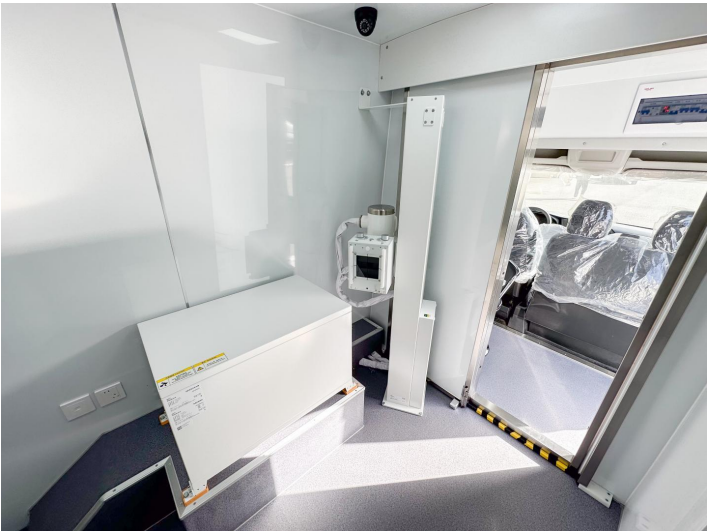
作为服务国家公卫项目的核心装备,该公卫数据采集系统已在全国多家基层医疗机构投入使用,覆盖乡村、社区等多个体检场景,获得基层公卫人员与老年群体的广泛认可,用户满意度高达95%以上。未来,系统将持续优化升级,结合基层公卫工作发展需求,完善功能模块,进一步提升操作便捷性与数据精准性,以智慧医疗赋能公卫事业,助力基层公卫服务提质增效,切实守护好65岁及以上老年人的身体健康,推动健康老龄化事业稳步发展。
As a core equipment for serving national public health projects, the public health data collection system has been put into use in multiple grassroots medical institutions across the country, covering multiple physical examination scenarios such as rural areas and communities. It has been widely recognized by grassroots public health personnel and the elderly population, with a user satisfaction rate of over 95%. In the future, the system will continue to optimize and upgrade, combined with the development needs of grassroots public health work, improve functional modules, further enhance operational convenience and data accuracy, empower the public health industry with smart healthcare, help improve the quality and efficiency of grassroots public health services, effectively protect the physical health of people aged 65 and above, and promote the steady development of healthy aging.


