
400-618-1171
从“同质化”到“精准化”,公卫体检随访一体机的应用场景正在不断拓展。在村卫生室和社区卫生服务中心,它成为居民日常健康监测的首站。在家庭医生签约服务中,它是上门服务的“利器”——为行动不便的老年人、残疾人等群体在家中完成多项检查。在大规模人群筛查中,它凭借高效与集成优势极大地加快了普查进度。在医联体和医共体中,它又是数据联通的“枢纽”——检测数据可安全共享至上级医院,实现快速转诊。
From "homogenization" to "precision", the application scenarios of public health examination follow-up all-in-one machines are constantly expanding. In the village clinic and community health service center, it becomes the first stop for residents' daily health monitoring. In the family doctor contract service, it is a "weapon" for on-site service - completing multiple examinations at home for elderly people, disabled people and other groups with limited mobility. In large-scale population screening, it greatly accelerates the census process with its efficiency and integration advantages. In medical consortia and medical communities, it is also the "hub" of data connectivity - testing data can be securely shared with higher-level hospitals to achieve rapid referral.
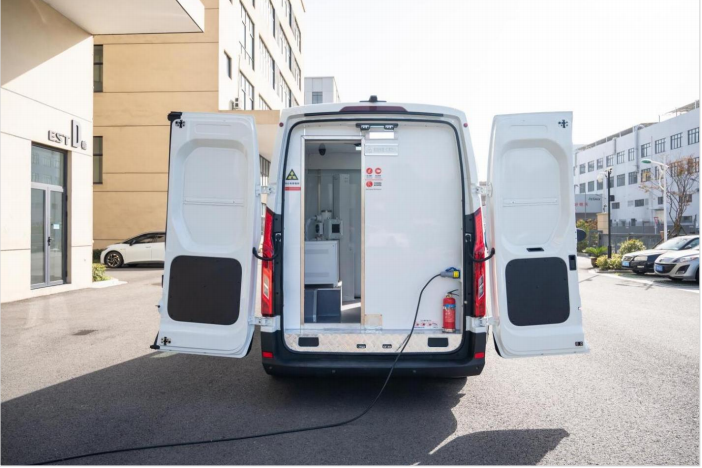
“健康小屋”模式则是服务模式创新的典型代表。在肥城市龙山社区的健康小屋,健康自测一体机成为核心设备。医务人员引导老人有序使用一体机检测血压、血糖、血脂等关键指标,检测结果实时上传至居民健康档案系统。每周家庭医生按时入驻坐诊。健康小屋还是社区的慢病俱乐部,定期举办慢病自我管理小组活动,居民们分享控制血压、血糖的经验。这种“设备+场地+人员+活动”的综合模式,让公卫体检随访一体机的价值得到了最大化的发挥。
The "Health Cabin" model is a typical representative of service model innovation. In the health cabin of Longshan Community in Feicheng City, the health self-test all-in-one machine has become the core equipment. Medical staff guide the elderly to use the all-in-one machine in an orderly manner to detect key indicators such as blood pressure, blood sugar, and blood lipids, and the test results are uploaded in real-time to the resident health record system. Every week, family doctors arrive on time for consultations. The health cabin is still the community's chronic disease club, regularly holding chronic disease self-management group activities where residents share their experiences in controlling blood pressure and blood sugar. This comprehensive model of "equipment+venue+personnel+activities" maximizes the value of the integrated public health examination and follow-up machine.
当然,公卫体检随访一体机的发展也面临一些挑战。如何让优质设备覆盖更多偏远地区的村卫生室?如何解决部分基层医务人员对新设备“不敢用、不会用”的问题?如何在不同厂商、不同系统之间实现数据的真正互联互通?如何保障海量健康数据的安全与隐私?这些都是需要持续探索的课题。
Of course, the development of integrated public health examination and follow-up machines also faces some challenges. How to make high-quality equipment cover more village clinics in remote areas? How to solve the problem of some grassroots medical staff being afraid or unable to use new equipment? How to achieve true interconnectivity of data between different vendors and systems? How to ensure the security and privacy of massive health data? These are all topics that require continuous exploration.


