
400-618-1171
一、设备日常检查
1、 Daily equipment inspection
1、外观检查:
1. Appearance inspection:
定期检查设备外壳是否完好无损,没有裂缝、凹陷或其他明显的物理损伤。
Regularly check whether the equipment casing is intact, without cracks, dents, or other obvious physical damage.
确保设备的标识、标签和警告标志清晰可见,没有磨损或脱落。
Ensure that the identification, labeling, and warning signs of the equipment are clearly visible and not worn or detached.
2、连接线与电源检查:
2. Check the connection line and power supply:
核对设备所附带的附件,如电源线、连接线、传感器等,确保它们齐全、完整,并且与设备相匹配。
Check the accessories attached to the equipment, such as power cords, connecting wires, sensors, etc., to ensure that they are complete, intact, and compatible with the equipment.
检查连接线和电源线是否完好无损,没有裸露的电线或破损的绝缘层。
Check if the connecting wires and power cords are intact, without exposed wires or damaged insulation layers.
使用电压表和电流表测试电源插座,确保电压和电流稳定,并符合设备的要求。
Use a voltmeter and ammeter to test the power socket, ensuring that the voltage and current are stable and meet the requirements of the equipment.
检查设备插头和插座接触是否良好,没有松动或短路的现象。
Check if the device plug and socket are in good contact and there is no looseness or short circuit.
二、操作面板与显示屏维护
2、 Maintenance of operation panel and display screen
1、操作面板检查:
1. Operation panel inspection:
检查操作面板上的按钮、开关和指示灯是否正常工作,没有损坏或松动的情况。
Check if the buttons, switches, and indicator lights on the control panel are working properly and not damaged or loose.
2、显示屏维护:
2. Display screen maintenance:
测试显示屏的显示效果,确保文字、图像和数值清晰可读,没有模糊或失真现象。
Test the display effect of the screen to ensure that text, images, and values are clear and readable, without blurring or distortion.
定期清洁显示屏表面,去除灰尘和污垢,避免影响显示效果。
Regularly clean the surface of the display screen, remove dust and dirt, and avoid affecting the display effect.
三、功能模块测试与校准
3、 Functional module testing and calibration
1、功能测试:
1. Functional testing:
根据设备的功能说明,测试各个功能模块是否正常工作,如血压测量、血糖检测、体温测量等。
According to the device's functional instructions, test whether each functional module is working properly, such as blood pressure measurement, blood glucose detection, body temperature measurement, etc.
通过与标准设备进行对比测试来验证测量结果的准确性和可靠性。
Verify the accuracy and reliability of measurement results through comparative testing with standard equipment.
2、定期校准:
2. Regular calibration:
公卫健康一体机需要定期进行校准,以确保其测量结果的准确性。
The public health all-in-one machine needs to be calibrated regularly to ensure the accuracy of its measurement results.
校准应由具备相应资质的专业人员执行,并遵循设备制造商提供的校准规程。
Calibration should be performed by qualified professionals and follow the calibration procedures provided by the equipment manufacturer.
四、清洁与消毒
4、 Cleaning and disinfection
1、表面清洁:
1. Surface cleaning:
定期清洁设备的表面,去除灰尘、污垢等杂质。使用合适的清洁工具和清洁剂,避免对设备造成损害。
Regularly clean the surface of the equipment to remove dust, dirt, and other impurities. Use appropriate cleaning tools and agents to avoid damage to the equipment.
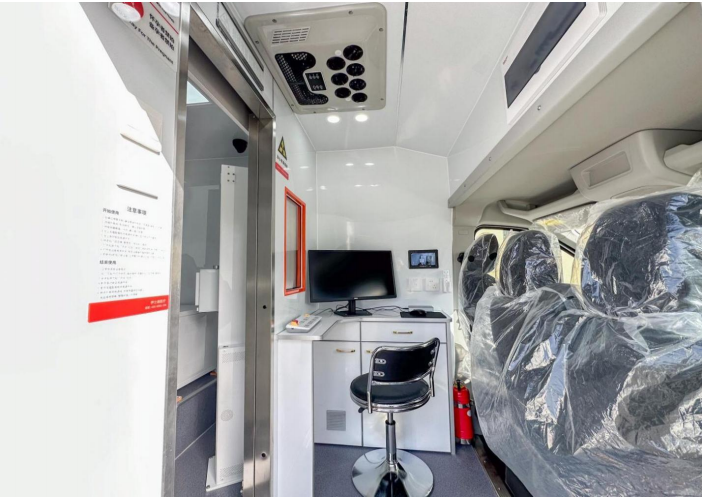
2、内部部件清洁:
2. Internal component cleaning:
对于可重复使用的部件,如心电电极等,应按照特定的清洁步骤进行清洁,确保无残留的导电膏或其他污染物。
For reusable components such as ECG electrodes, specific cleaning steps should be followed to ensure that there are no residual conductive paste or other contaminants.
3、消毒处理:
3. Disinfection treatment:
由于健康一体机直接接触被检测者的身体部位,因此在使用过程中需要定期进行消毒处理,以防止交叉感染。
Due to the direct contact of the health all-in-one machine with the tested body parts, regular disinfection treatment is required during use to prevent cross infection.
使用符合医疗标准的消毒剂,并按照制造商的推荐进行消毒操作。
Use disinfectants that meet medical standards and follow the manufacturer's recommendations for disinfection procedures.
五、设备存储与环境控制
5、 Device storage and environmental control
1、适宜的工作环境:
1. Suitable working environment:
将健康体检一体机放置在通风良好、避免阳光直射和热源的地方,以防止内部零件变形或损坏。
Place the integrated health examination machine in a well ventilated area, away from direct sunlight and heat sources, to prevent deformation or damage of internal components.
设备的运行温度一般不应低于5℃,也不应高于40℃,湿度应保持在30%~70%RH之间。
The operating temperature of the equipment should generally not be lower than 5 ℃ or higher than 40 ℃, and the humidity should be maintained between 30% and 70% RH.
2、避免电磁干扰:
2. Avoid electromagnetic interference:
确保设备周围无磁场干扰源,以保证测量结果的准确性。
Ensure that there are no magnetic field interference sources around the device to ensure the accuracy of measurement results.
3、存储空间管理:
3. Storage space management:
检查设备的存储空间是否充足,以便存储更多的检测数据。定期清理不必要的文件和数据,以释放存储空间。
Check if the storage space of the device is sufficient to store more detection data. Regularly clean up unnecessary files and data to free up storage space.
六、软件更新与维护
6、 Software updates and maintenance
1、软件更新:
1. Software update:
定期检查是否有新的软件更新,并按照厂商的指导进行更新操作。软件更新可以修复漏洞、增加新功能或提高性能。
Regularly check for new software updates and follow the manufacturer's instructions for update operations. Software updates can fix vulnerabilities, add new features, or improve performance.
2、数据备份与恢复:
2. Data backup and recovery:
定期备份设备中的重要数据,以防数据丢失或损坏。了解数据恢复的方法,以便在必要时能够恢复数据。
Regularly backup important data in the device to prevent data loss or damage. Understand the methods of data recovery in order to be able to recover data when necessary.


