
400-618-1171
患者随访系统是医疗机构用于管理患者健康信息和跟踪患者治疗进展的重要工具。这些系统通常包含以下核心功能:
The patient follow-up system is an essential tool for healthcare institutions to manage patient health information and track treatment progress. These systems typically include the following core functions:
患者信息管理:系统允许医生轻松查看和管理患者的基本信息、病史、诊断结果等,确保患者信息的准确性和完整性。
Patient Information Management: The system enables doctors to easily view and manage patients' basic information, medical history, diagnostic results, and more, ensuring the accuracy and completeness of patient data.
随访计划制定:医生可以根据患者的病情和治疗方案,制定个性化的随访计划。系统会自动提醒医生在规定的时间进行随访,确保患者得到及时、有效的关注。
Follow-up Plan Formulation: Doctors can develop personalized follow-up plans based on patients' conditions and treatment regimens. The system will automatically remind doctors to conduct follow-ups at specified times, ensuring patients receive timely and effective care.
随访记录填写:在现场随访过程中,医生可以通过系统记录患者的体征、症状、用药情况等信息,方便回诊时查阅和分析。系统还支持语音输入和拍照上传等功能,提高信息记录的效率。
Follow-up Record Filling: During on-site follow-up visits, doctors can record patients' vital signs, symptoms, medication usage, and other information in the system, facilitating review and analysis during subsequent consultations. The system also supports voice input and photo upload functions, enhancing the efficiency of information recording.
随访报告生成:系统可以根据患者的随访数据自动生成随访报告,为医生提供参考依据。医生还可以根据需要对报告进行自定义修改和完善。
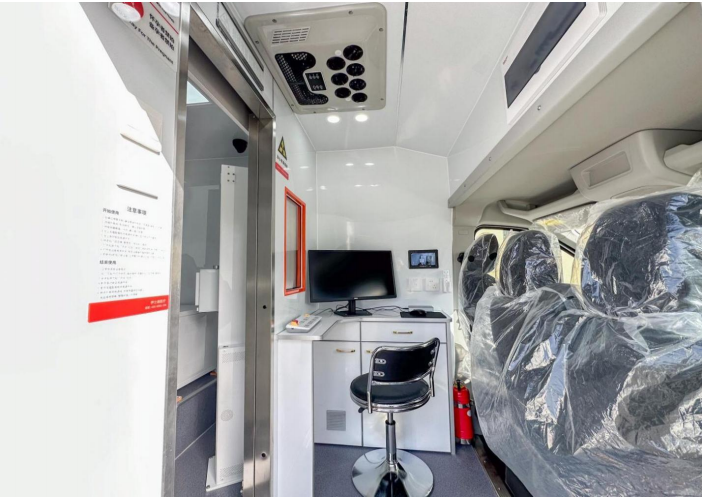
Follow-up Report Generation: The system can automatically generate follow-up reports based on patients' follow-up data, providing doctors with reference materials. Doctors can also customize and improve the reports as needed.
沟通与协作:系统支持在线沟通功能,医生可以随时与患者及其家属保持联系,解答疑问,提供指导。同时,系统的团队协作功能也可以帮助医疗机构实现跨部门、跨专业的高效协同。
Communication and Collaboration: The system supports online communication features, enabling doctors to stay connected with patients and their families at any time to address concerns and provide guidance. Additionally, the system's team collaboration function facilitates efficient cross-departmental and interdisciplinary coordination for medical institutions.
数据安全与隐私保护:系统采用严格的数据加密技术,确保患者信息在传输和存储过程中的安全性。此外,系统还设有权限管理功能,保证了敏感信息的保密性。
Data Security and Privacy Protection: The system employs robust data encryption technology to ensure the security of patient information during transmission and storage. Additionally, it features permission management functions to safeguard the confidentiality of sensitive data.
自动提醒与通知:系统可以根据患者的随访计划,自动发送提醒和通知,确保随访工作的及时性和准确性。
Automatic Reminders and Notifications: The system can automatically send reminders and notifications based on the patient's follow-up schedule, ensuring the timeliness and accuracy of follow-up tasks.
随访任务分配:系统可以根据医护人员的工作量和随访任务,自动分配随访任务,提高工作效率。
Follow-up Task Allocation: The system can automatically assign follow-up tasks based on the workload of medical staff and the tasks at hand, improving work efficiency.
随访数据收集与分析:系统可以自动收集患者的随访数据,如症状、体征、用药情况等,并进行分析,为医护人员提供随访报告。
Follow-up Data Collection and Analysis: The system can automatically collect patients' follow-up data, such as symptoms, signs, medication status, etc., and analyze it to provide follow-up reports for medical staff.
随访质量监控:系统可以对随访过程进行监控,确保随访工作的质量和效果,防止随访过程中的疏漏和错误。
Follow-up Quality Monitoring: The system can monitor the follow-up process to ensure the quality and effectiveness of follow-up work, preventing omissions and errors during the process.
这些功能共同构成了一个高效、便捷的患者随访系统,有助于医疗机构提高随访效率,保证随访质量,节省成本,提升患者满意度。随着技术的发展,未来的患者随访系统可能会融入更多先进的技术,如人工智能、大数据分析等,以提供更加个性化和智能化的服务。
These functions collectively form an efficient and convenient patient follow-up system, helping medical institutions enhance follow-up efficiency, ensure quality, reduce costs, and improve patient satisfaction. With technological advancements, future patient follow-up systems may integrate more advanced technologies, such as artificial intelligence and big data analytics, to provide more personalized and intelligent services.


