
400-618-1171
基层公卫最重的活,是65岁以上老年人年度体检:身高体重、血压、心电、B超、血尿常规、中医体质辨识、用药指导……传统做法是“一站一表、一人一摊”,村医和乡医轮流填纸单,回站再录进电子健康档案,错项、漏项、日期对不上,公卫考核前全员熬夜补表。
The most important task for grassroots public health is the annual physical examination for elderly people over 65 years old: height and weight, blood pressure, electrocardiogram, ultrasound, blood and urine routine, traditional Chinese medicine constitution identification, medication guidance... The traditional practice is "one station, one form, one person, one stall", where village doctors and township doctors take turns filling out paper forms and recording them into electronic health records upon returning to the station. If there are errors, omissions, or mismatched dates, all staff will stay up late to supplement the forms before the public health assessment.
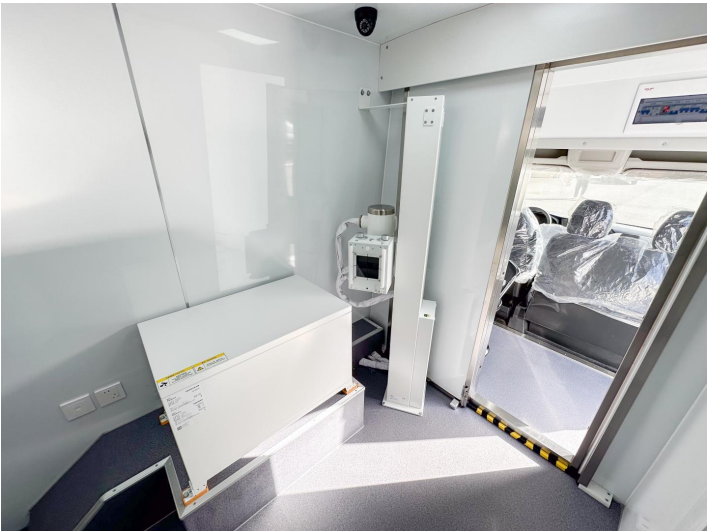
公卫体检随访一体机要解决的,就是把“查体+随访+建档”三件事合并到同一条数据流里。
The solution for the integrated system of public health examination and follow-up is to merge the three tasks of "physical examination+follow-up+filing" into the same data stream.
1. 查体不是堆设备,是字段自动落表?
1. Physical examination is not about stacking devices, it is about automatically listing fields
血压、血氧、心电、身高体重、中医体质辨识等项测完,系统按《国家基本公共卫生服务规范》自动填入对应表单,B超、血生化、尿常规结果回传后也能挂到同一居民档案下。医生不再当“抄表员”,只做异常判断和干预建议。
After measuring blood pressure, blood oxygen, electrocardiogram, height and weight, and traditional Chinese medicine constitution identification, the system automatically fills in the corresponding forms according to the National Basic Public Health Service Standards. The results of ultrasound, blood biochemistry, and urine routine can also be uploaded to the same resident file after being returned. Doctors are no longer just "meter readers", they only make abnormal judgments and intervention suggestions.
2. 随访和查体共用一套身份链?
2. Follow up and physical examination share one identity chain
刷身份证/医保卡建档后,今年查体、季度随访、慢病回访都挂在同一人名下。高血压大爷3月查体、6月随访、9月复诊,趋势曲线自动出来——不用再翻三本纸册拼时间线。
After the ID card/medical insurance card is registered, this year's physical examination, quarterly follow-up, and chronic disease follow-up are all under the same name. The trend curve for hypertensive patients will be automatically generated after a physical examination in March, follow-up in June, and follow-up in September - there is no need to flip through three booklets to create a timeline.
3. 固定卫生室 + 下乡体检车两套用法?
3. Two sets of usage for fixed clinics and rural medical examination vehicles
驻点场景:一体机放卫生室,老年人进来一次性测完;
Resident scenario: The all-in-one machine is placed in the bathroom, and elderly people come in to complete the test in one go;
流动场景:随公卫体检车/随访包出门,离线存数据,回网自动补传区域公卫平台。山区没信号也不是借口,断网存本地才是硬指标。
Mobile scenario: Go out with the public health examination vehicle/follow-up package, store data offline, and automatically upload it back to the regional public health platform. The lack of signal in mountainous areas is not an excuse, network disconnection and local storage are the hard indicators.
4. 选型的隐藏门槛?
4. Hidden threshold for selection
别只看“能测几项”,先问三句:
Don't just look at "how many items can be tested", ask three questions first:
能不能和当地区域公卫/家医平台对字段、免二次录入?
Can we match the fields with the local public health/home medicine platform and waive the need for secondary input?
中医体质辨识、用药指导是不是按规范内置,不是贴个问卷?
Is the identification of traditional Chinese medicine constitution and medication guidance built in according to standards, rather than posting a questionnaire?
血尿常规、B超等外接设备能不能统一进档案,而不是各出各的Excel?
Can external devices such as hematuria routine and ultrasound be unified into the file instead of having separate Excel files?
公卫体检随访一体机不是“多合一玩具”,而是把医生从纸质档案里救出来的数据中枢。机器把表填了,医生才有空看人,而不是看纸。
The public health examination follow-up all-in-one machine is not a "multi in one toy", but a data center that saves doctors from paper files. The machine fills out the form so that the doctor has time to see people, not paper.


